A small addition to campus is helping make a big difference for local wildlife. Five new bee boxes have been installed at St. Mary’s University to support native pollinators and contribute to ongoing restoration efforts.
The five bee boxes were recently installed in two areas that play an important role in caring for and restoring the natural environment on campus: the medicine garden and the prairie restoration site west of the classroom building. Despite the boxes being small in size, they are expected to have a meaningful impact.
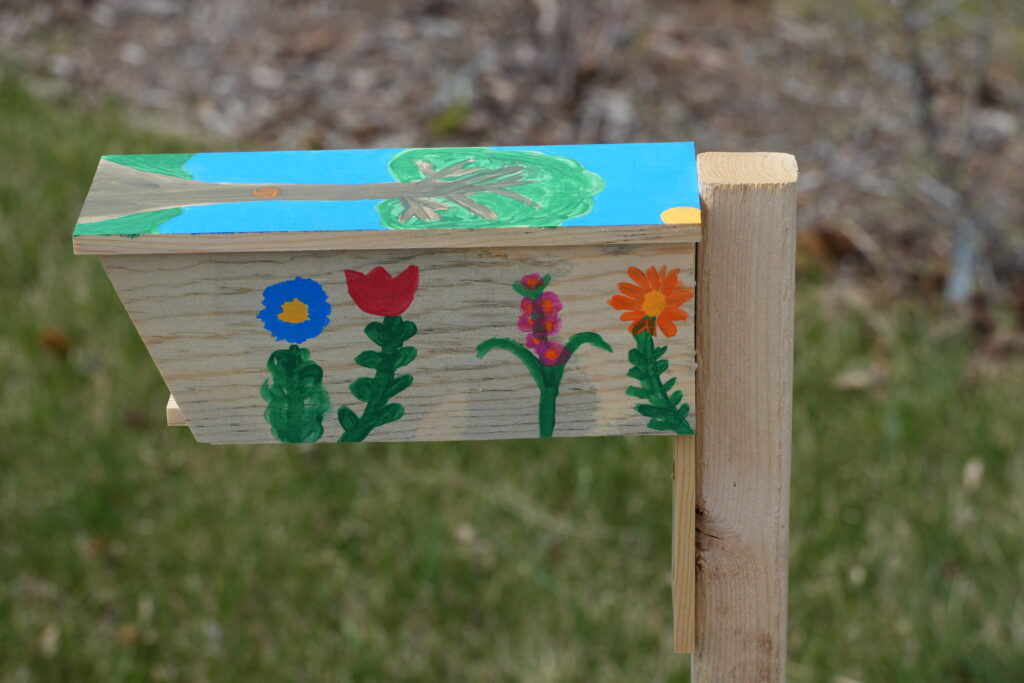
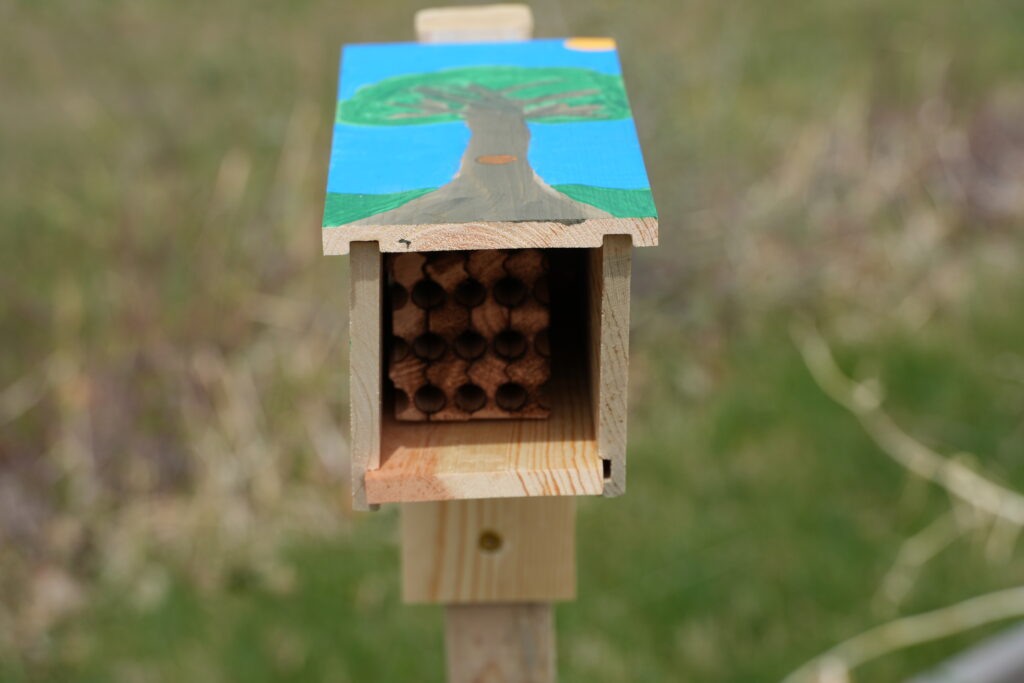
Designed as nesting spaces for native mason bees, the boxes provide safe places for these important pollinators to lay their eggs. Unlike honeybees, which were introduced to North America, mason bees are native to Alberta and play a key role in supporting local ecosystems.
“There are about 375 species of native bees in Alberta, including approximately 54 species of mason bees,” said Biology faculty member and project lead, Dr. Mary Ann McLean. “Encouraging mason bees helps increase pollination and seed production in both the medicine garden and the prairie restoration area which will in turn increase the food available for other wildlife.”
The bee boxes are part of ongoing work led by faculty, staff and students to restore native plant species and strengthen ecosystems on campus. Located on the edge of Alberta’ Fescue Grasslands ecoregion, the University is working to restore native plants to areas of campus that were once all lawn grass. As native species return, they create habitat for insects, birds, and other wildlife, increasing biodiversity across campus.
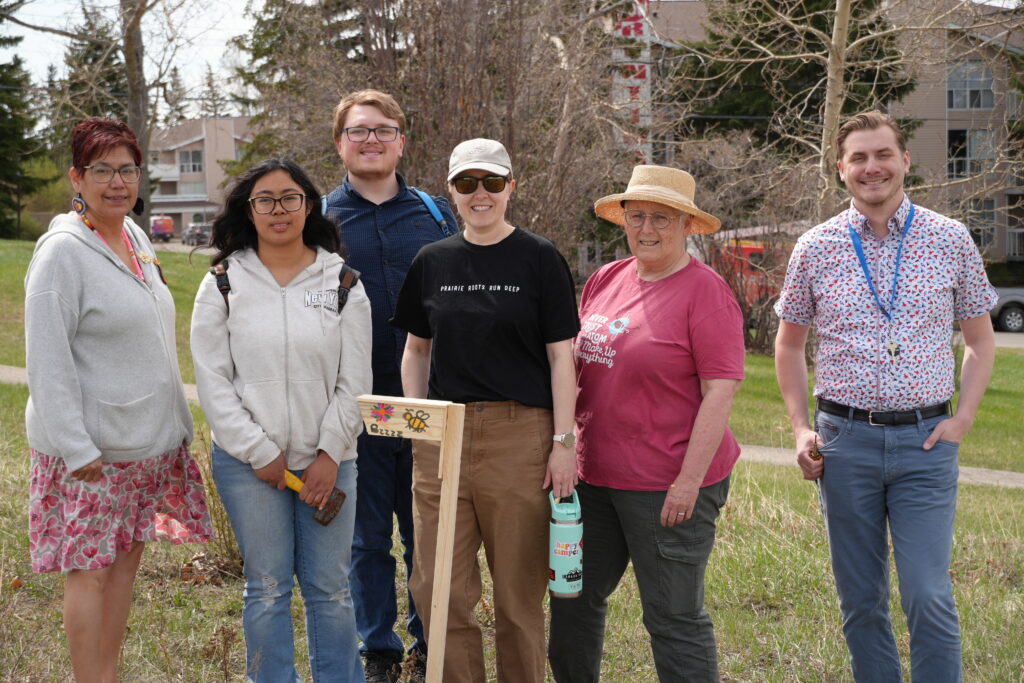
The project also provides valuable learning opportunities for students. The bee boxes were built and painted by students during a World Wildlife Day event in March and were installed with student help in May. Biology students have also participated in restoring and studying the prairie area as part of their coursework.
“Both the garden and the prairie are places where students can study native plants and insects right here on campus,” said Dr. McLean. “Increasing biodiversity is good for the ecology of these spaces, but it’s also valuable educationally.”
This initiative is also in collaboration with Angela Bear Chief, Indigenous Relations and Initiatives Coordinator. This project reflects a shared responsibility to care for the land while strengthening connections between people, culture and community.
“As a Blackfoot woman from Treaty 7, I see this work as part of our collective responsibility to honor those who came before us while creating pathways for future generations to remain connected to culture, language, community and land,” she said.
Angela notes that meaningful collaboration is grounded in respect, reciprocity and relational accountability. By bringing Indigenous knowledge and perspectives together with science-based approaches, projects like this can help create opportunities for learning, dialogue and relationship building.
The bee boxes may be a small addition to campus, but they represent something much bigger: a commitment to caring for the environment, supporting biodiversity and helping students develop a deeper connection to the place they learn.